


Uterine fibroids often require surgical management, and in this situation it is especially important who you entrust with the operation. Laparoscopic removal of fibroid nodules requires precise planning, experience in working with different types of fibroids, and an understanding of potential consequences for the uterus. At New Life Clinic, surgery is performed with a focus on organ preservation, predictable outcomes, and controlled recovery – without excessive interventions or unjustified risks.
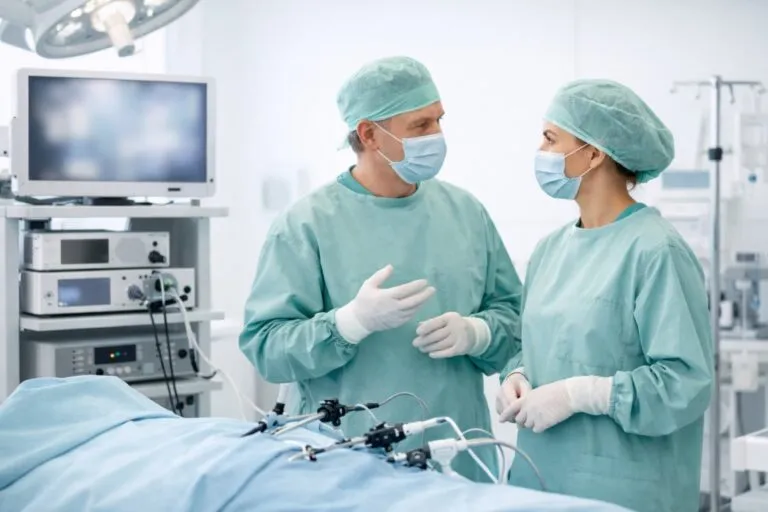
Uterine Fibroid Laparoscopy
Surgical treatment of uterine fibroids in which precise removal of myomatous nodules with preservation of uterine anatomy is the key objective. This method is used when it is important to address fibroids without resorting to more radical interventions and with consideration of a woman’s reproductive plans.
- Top-Level Surgeons
- Expert-Class Equipment
- Experienced Surgical Team
- Transparent Cost Calculation
Specialists in the Field
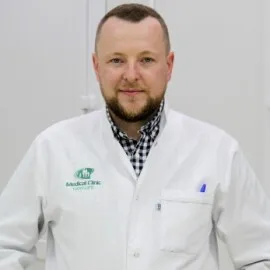
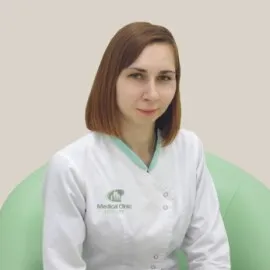
This section introduces the physicians of the surgical team who perform laparoscopic treatment of uterine fibroids at the clinic. Procedures are carried out by specialists with experience in minimally invasive gynecologic surgery, working according to coordinated clinical approaches. This format ensures procedural precision, control at every stage, and preservation of reproductive function.
Cost of Uterine Fibroid Laparoscopy
We adhere to the principle of transparent and clear pricing. The indicated cost of uterine fibroid laparoscopy does not include anesthesia or inpatient stay, allowing the patient to understand the cost structure in advance and avoid unexpected additional expenses. By choosing us, you receive an optimal balance of cost, professionalism, and attentive care for your health.
Uterine Fibroid Laparoscopy (1st Cat. of Complexity)
UAH 27,800
Uterine Fibroid Laparoscopy (2nd Cat. of Complexity)
UAH 32,700
Patient Reviews
Every recovery story begins with questions and uncertainty. We've gathered honest feedback from patients who have already undergone this treatment – their experience might help you take your own first step toward a solution.
The language, style and spelling of the authors are preserved
Advantages of Uterine Fibroid Removal at New Life Clinic

Narrow Surgical Specialization
The procedure is performed by gynecologist-surgeons who regularly carry out laparoscopic interventions for uterine fibroids and have practical experience working with various types and locations of myomatous nodules.

Balanced Approach to Surgical Volume
We do not rely on template solutions. The extent of intervention is determined through a comprehensive assessment of the clinical situation, with priority given to preserving the uterus and avoiding unjustified radical steps.

Coordinated Work of the Surgical Team
A permanent team of specialists experienced in laparoscopic gynecological procedures participates in the operation. This reduces the likelihood of technical errors and increases the predictability of results.

Control and Recovery Under Supervision
Patient care does not end with surgery. We support the postoperative period and assess recovery and uterine condition over time to ensure that treatment results are stable and controlled.
Procedure Results in Numbers
120+
laparoscopic surgeries for uterine fibroids performed over the past year
89 %
of patients report a reduction in complaints and improved well-being during the first month
93 %
of patients are ready to recommend surgical treatment of fibroids at the clinic to their relatives
When Uterine Fibroid Laparoscopy Is Indicated
Laparoscopic removal of uterine fibroids is not indicated in all cases. The decision on surgical treatment is made individually – taking into account the size and location of nodules, the clinical picture, and the risks of further progression. You should consult a doctor and consider surgery if the following situations are present:
- Growth of myomatous nodules.
The fibroid increases in size or shows active progression based on monitoring and instrumental examinations. - Impairment of uterine function.
Nodules deform the uterine cavity or affect its function, which may create medical and reproductive risks. - Preparation for pregnancy.
Fibroids may reduce the likelihood of pregnancy or complicate its course, requiring surgical correction before planning. - Risk of complications.
Certain types and locations of nodules are associated with an increased risk of torsion, impaired blood supply, or other complications. - Lack of effect from conservative treatment.
Medication therapy does not provide the expected result or is not suitable in a particular clinical situation. - Need to preserve the uterus.
Laparoscopy is considered an organ-preserving treatment option when it is important to avoid hysterectomy and choose a more gentle approach.
What Is Important to Know About Uterine Fibroid Treatment
Laparoscopic removal of uterine fibroids requires not only technical execution of surgery but also a clear understanding of treatment goals. When choosing the surgical strategy, the characteristics of the nodules, the condition of the uterus, and the patient’s short-term and long-term objectives are taken into account. Below are the key points that help explain the treatment logic and prepare for surgery.
-
Why Laparoscopy Is Chosen for Fibroids
-
Preparation for Surgery
-
How the Surgery Is Performed
-
Postoperative Recovery
-
When Treatment Results Can Be Evaluated
Frequently Asked Questions From Patients
Deciding on surgery for uterine fibroids is often accompanied by doubts and concerns. This is normal. Below are answers to the questions most commonly asked by women before laparoscopic fibroid removal, helping them make an informed decision without unnecessary stress.
-
Is There a Risk of Uterus Removal During Surgery?
-
Is It Possible to Remove All Fibroid Nodules in One Surgery?
-
Will the Surgery Affect the Possibility of Future Pregnancy?
-
Can Fibroids Recur After Removal?
-
Is Long-Term Follow-Up Necessary After Surgery?
-
Who Should I Contact If Questions Arise After Discharge?
Leave a Request – We Will Find a Convenient Time for You
Equipment and Facilities at New Life Clinic
Laparoscopic surgeries for uterine fibroids are performed in a modern operating room using expert-level equipment. This ensures precision of intervention and safe treatment conditions. After surgery, the patient remains under observation in comfortable inpatient conditions, supporting calm and predictable recovery.


The page content has been reviewed and approved by a New Life Clinic physician (Igor Grynda, gynecologist-surgeon with 22 years of clinical experience).