
Breast Lift (Mastopexy)

A breast lift at New Life Clinic helps restore a higher breast position and natural contours, remove excess stretched skin, and reposition the nipples without necessarily requiring implants.

The clinic’s plastic surgeons perform mastopexy using an individually selected surgical technique based on the degree of breast sagging, tissue condition, and desired outcome, ensuring that the new breast shape complements the patient’s body proportions.

  • Experienced Plastic Surgeons
  • Individualized Surgical Planning
  • Modern Surgical Techniques
  • Postoperative Care and Follow-Up

At New Life Clinic, breast lift surgery is approached as an aesthetic procedure intended to achieve results that complement each patient’s individual body proportions and personal vision of an attractive breast shape. Our plastic surgeons aim to restore natural breast proportions and positioning while preserving each patient’s unique features and avoiding excessive changes that could disrupt the overall harmony of her appearance.


Plastic Surgeons Performing Breast Lift Surgery at New Life Clinic

Breast lift surgery at New Life Clinic is performed by plastic surgeons with extensive experience in reconstructive and aesthetic procedures. Over years of practice, our surgeons have gained considerable experience treating cases of varying complexity – from moderate breast sagging to significant changes in breast shape, asymmetry, and the effects of previous surgeries.

Common Reasons Patients Seek Breast Lift Surgery at New Life Clinic

Women most often consult the plastic surgeons at New Life Clinic about a breast lift because they are dissatisfied with the appearance and position of their breasts:

  1. Breast Sagging After Pregnancy and Breastfeeding
    After pregnancy and breastfeeding, the breasts may lose their former firmness, and the nipples may shift downward. Even when breast size remains unchanged, the breasts often appear less full and lose their familiar contours.
  2. Changes in Breast Shape After Significant Weight Loss
    Following weight loss, breast volume often decreases, while stretched skin may not contract sufficiently. As a result, the breasts may appear deflated and saggy, even after body weight has stabilized.
  3. Age-Related Breast Sagging
    With age, the skin and supporting tissues gradually lose elasticity, allowing the breasts to descend and change shape. These changes often become particularly noticeable in the lower part of the breasts and in the position of the nipples.
  4. Significant Asymmetry in Breast Position
    When one breast sits noticeably lower than the other or the nipples are positioned at different heights, the difference may be especially apparent without a bra and cause aesthetic concerns.
  5. Breast Sagging Without Significant Volume Loss
    Some women are completely satisfied with their breast size but not with their breast position or shape. Their main reason for seeking surgery is to improve breast appearance while preserving their existing volume.

Breast Lift Results Achieved by New Life Plastic Surgeons

The results of procedures performed by our plastic surgeons help illustrate how breast shape, position, and contours can change after mastopexy. Each clinical case has its own characteristics, so the photographs demonstrate the actual possibilities of surgical correction for different starting conditions rather than a universal outcome for every patient.
Лечение грыжи живота #1

Breast Lift Techniques Used by New Life Clinic Surgeons

New Life Clinic plastic surgeons use different mastopexy techniques that vary in the extent of correction and the placement of incisions. The choice of technique depends on the degree of breast sagging, the amount of excess skin, and how that skin is distributed.

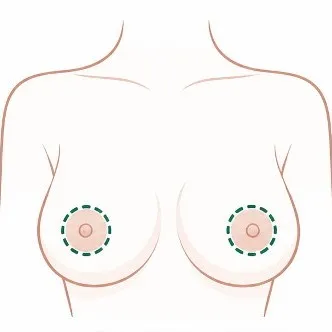
Periareolar Breast Lift

Periareolar Breast Lift

When It Is Used
For mild breast sagging with a limited amount of excess skin around the areola.

What It Can Correct
Minor repositioning of the nipple-areola complex and moderate skin tightening.

Incision Placement
Around the circumference of the areola, along the border between pigmented and surrounding skin.

Important Considerations
This technique is not suitable for significant breast lifting. Excessive skin tension may cause the areola to stretch and the breast shape to become flattened.
Vertical Breast Lift

Vertical Breast Lift

When It Is Used
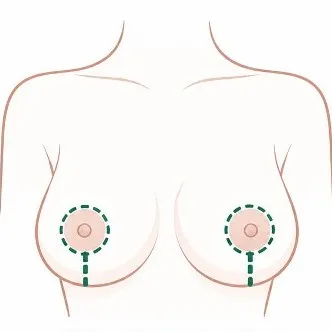
Most commonly for moderate breast sagging when correction around the areola alone is insufficient.

What It Can Correct
Repositioning of the nipple-areola complex, removal of excess skin, and reshaping of the lower breast.

Incision Placement
Around the areola and vertically downward to the inframammary fold.

Important Considerations
When there is a substantial amount of excess skin along the inframammary fold, a vertical technique may not provide sufficient correction.

Anchor Breast Lift

Anchor Breast Lift

When It Is Used
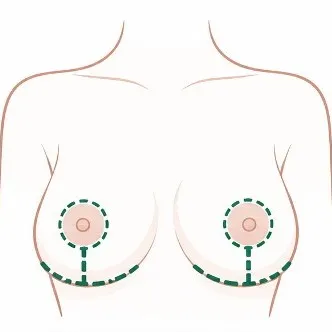
For significant breast sagging and substantial excess skin, including after major weight loss. It may also be used for moderate sagging when the distribution of excess skin makes it necessary.

What It Can Correct
Substantial repositioning of the nipple-areola complex, removal of excess skin in multiple directions, and significant reshaping of the breasts.

Incision Placement
Around the areola, vertically downward, and horizontally along the inframammary fold, forming an inverted T.

Important Considerations
Of the three techniques described, this method involves the most extensive incisions, including a horizontal incision beneath the breast.

Breast Lift With or Without Implants

A breast lift does not necessarily involve the placement of implants. Mastopexy reshapes and repositions the breasts using the patient’s own tissues, while implants are used to increase volume. The choice between a breast lift with or without implants depends primarily on whether the woman is satisfied with her breast size and how much fullness she wants to achieve after surgery.

Breast Lift Without Implants

If a woman is satisfied with her breast size and her main concern is sagging or a change in shape, mastopexy can be performed without implants. During surgery, the surgeon removes excess skin, repositions the nipple-areola complex, and redistributes the patient’s own breast tissue to create a higher breast position and a more compact contour.

It is important to understand that this type of breast lift does not increase breast volume. If the breasts have lost considerable fullness after pregnancy, breastfeeding, or weight loss, particularly in the upper portion, mastopexy alone may not be sufficient to achieve the desired volume.

Breast Lift With Implants

Combining mastopexy with breast implants is considered when a woman wants not only to lift her breasts but also to increase their size or restore lost fullness. The lift corrects the position of the breasts and the nipple-areola complex, while the implant adds volume, including to the upper portion of the breast.

However, implant placement alone cannot replace a breast lift when significant sagging is present. Increasing volume does not remove substantial excess skin or provide the necessary nipple repositioning. Attempting to compensate for sagging with an excessively large implant may result in unnatural proportions and additional strain on the tissues.

What Scars Remain After a Breast Lift?

Mastopexy always leaves scars, but they generally become considerably less noticeable over time. Their location depends on the surgical technique: around the areola, vertically toward the inframammary fold, and sometimes additionally along the fold itself. During the first few months, scars may appear pink or reddish and feel slightly firm, then gradually fade and soften. Scar maturation typically takes 12–18 months.

How visible the surgical scars remain depends on individual scarring characteristics, tissue tension, and the healing process. Following the surgeon’s recommendations, protecting scars from sun exposure, and using silicone-based products after the incisions have fully closed may improve their appearance, but scars cannot be eliminated completely. For most patients, the scars can be concealed beneath regular underwear or a swimsuit.

How Breast Lift Surgery Is Performed at New Life Clinic

Consultation and Surgical Planning

The plastic surgeon examines the breasts, discusses the patient’s desired changes, and evaluates her existing anatomical characteristics. During the consultation, the extent of the procedure and a preliminary surgical plan are determined.

Preoperative Evaluation and Preparation

Before surgery, the patient undergoes the necessary examinations and an anesthesiology consultation. The physician reviews the results, confirms which medications the patient is taking, and provides instructions on preparing for the procedure.

Performing the Mastopexy

The procedure is performed under general anesthesia. After making the preoperative markings, the surgeon removes excess skin, repositions the nipple-areola complex, and reshapes the breasts. The duration of surgery depends on the complexity of the procedure.

Postoperative Monitoring

After mastopexy, the patient remains under the supervision of medical staff. The surgeon evaluates the condition of the breasts, monitors the early postoperative period, and explains wound care instructions and follow-up appointments before discharge.

Recovery After a Breast Lift

Recovery times depend on the extent of surgery and individual healing characteristics. These general milestones help patients plan their return to normal activities.
  1. First 1–3 Days
    Rest and Early Recovery
    Swelling, a feeling of tightness, and breast tenderness may occur. Rest, short walks, and wearing a postoperative support bra are recommended.
  2. 1–2 Weeks
    Returning to Daily Activities
    Swelling and discomfort gradually decrease. Many patients return to work that does not involve physical exertion. Wearing the recommended support bra remains necessary.
  3. 3–6 Weeks
    Gradually Increasing Activity
    Daily activities become more comfortable. Physical activity is increased gradually, and returning to sports, especially exercises involving the chest muscles, should be discussed with the surgeon.
  4. Following Months
    Breast Shape Stabilization
    Residual swelling subsides, tissues adapt to their new position, and the breasts develop more natural contours. The final breast shape is usually evaluated after several months.

Breast Lift Safety and Potential Limitations

A breast lift requires a preoperative evaluation and assessment of surgical risks. Surgery is postponed in cases of acute infections, flare-ups of chronic conditions, and other health issues that could complicate the procedure or healing. Smoking, circulatory problems, and uncontrolled diabetes increase the likelihood of postoperative complications.

Possible complications after mastopexy include hematomas, infections, delayed wound healing, and changes in nipple sensation, which may sometimes be permanent. More serious problems involving the blood supply to the tissues occur less frequently. Risks depend on the extent of surgery, the patient’s health, and individual healing characteristics.

Pregnancy plans and weight stability also matter. If a woman is planning to become pregnant in the near future or her body weight is still changing significantly, it is generally advisable to postpone the breast lift. Mastopexy results can last for years, but subsequent pregnancies, weight fluctuations, and natural tissue aging may gradually alter breast shape.

Breast Lift Cost at New Life Clinic

The cost of mastopexy depends on the surgical technique selected and the extent of the procedure. At New Life Clinic, financial details are discussed before surgery so patients understand the cost of surgical correction, any additional expenses, and the total amount, including the cost of implants if they are planned.

Initial consultation with a plastic surgeon
UAH 1,000

Frequently Asked Questions About Breast Lift Surgery

Before undergoing mastopexy, patients often have questions not so much about the procedure itself as about its impact on daily life, future motherhood, and how natural the results will look.

Do I Need a Mammogram or Breast Ultrasound Before a Breast Lift?

Can I Have Breast Lift Surgery During My Period?

Can My Areolas Be Reduced During a Breast Lift?

Can Breast Asymmetry Be Corrected During a Lift?

Do Existing Breast Implants Need to Be Removed or Replaced Before a Lift?

Can I Sleep on My Side After a Breast Lift?

When Can I Shower After a Breast Lift?

When Can I Wear a Regular Bra Again?

Discuss Breast Lift Options With a New Life Clinic Surgeon

During your consultation, the plastic surgeon will evaluate your breast shape, tissue condition, and desired results. You can discuss the most appropriate breast lift technique, whether implants are needed, and the changes you can expect before deciding to undergo surgery.

Make an appointment by phone
Prefer to Message? Choose a Messenger
Leave a Request – We'll Call You Back
and Arrange a Convenient Appointment Time


    What Else Patients Should Know

    If you still have questions before making a decision, start with the articles prepared by our clinic's doctors. They explain common symptoms, diagnostic methods, modern treatment approaches, and situations when it is no longer advisable to postpone seeing a doctor, all in clear and easy-to-understand language.
    Breast Asymmetry – Why One Breast Is Bigger Than the Other and How to Correct It
    Breast Implants – Types, Differences, and What to Know Before Surgery
    Sagging Breasts – What Causes Breast Ptosis and Can You Restore Their Former Shape?
    This page has been reviewed and approved by New Life Clinic physician Lilia Pavlichenko, a board-certified plastic surgeon with the highest professional qualification category and a PhD in Medical Sciences.